Community Services: Which Print Jobs This Guide Covers
The print work we cover, the work we leave to others, and how to tell which group your job falls into before anyone quotes it.
Where this guide's coverage starts and stops
We cover commercial printing for readers who are deciding on a job rather than browsing: brochures, pamphlets, business cards, envelopes, menus, posters, banners, large-format sheets, construction plans and printed mailers. If your job is one of those, the pages here will tell you what it needs before you ask for a price.
The coverage has edges. We quote no prices and no turnaround times, and we do not rank print businesses. Every figure carries its source beside it, and where a source is a seller's claim or a third-party copy of a rule, we say so.
A job belongs in scope here when its process, its file and its paperwork can all be settled from published rules before anyone is asked for a quote.
Watching a print shop at work
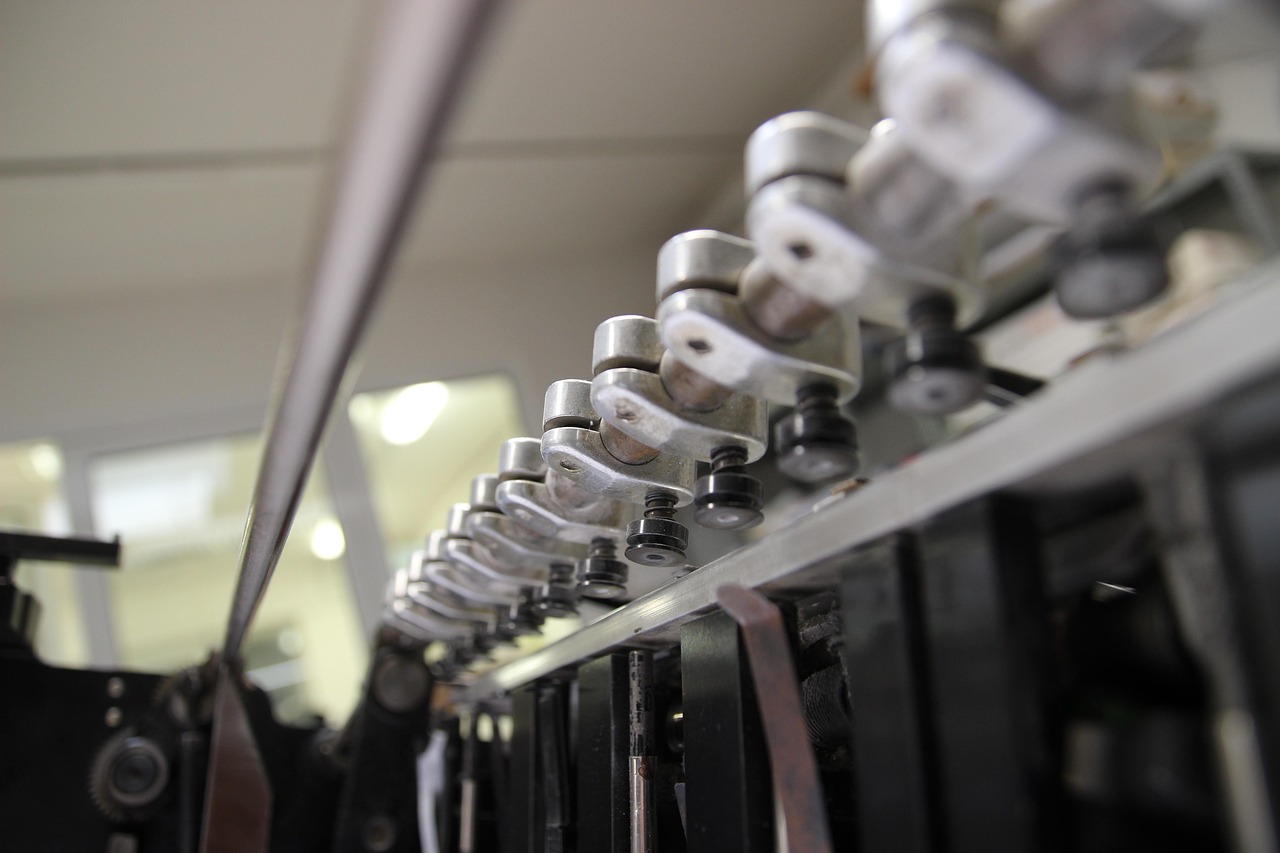
This clip from a third-party channel shows staff at a press and a cutting bench making printed signs. It helps to picture the steps below. We do not vouch for the shop it shows.
The jobs in scope, and what each one usually needs
For brochures, pamphlets and menus, the process choice comes down to quantity. Digital presses cost little to set up but the same per copy throughout the run, while offset needs plates made first. The University of Scranton's digital versus offset page gives no crossover quantity, so ask a printer to quote both on your own numbers.
Banners and outdoor signs have a separate life to plan for. One banner maker rates a standard 13 oz vinyl banner for 3 to 5 years outdoors when it is installed properly, a seller's rating rather than an independent test, and sun and wind shorten it. A banner seller's outdoor vinyl page gives that figure.
Outdoor signs also raise a permit question. The third-party copy of Malden's zoning code that we checked says every exterior sign needs a building permit, and it does not say whether temporary banners are exempt, so confirm with Malden Inspectional Services before a banner goes up. The Zoneomics copy of the code is the source.
Sorting a job before anyone quotes it
Step one: name the piece and the number you need
Start with the item itself, whether a brochure, a banner, business cards, a menu or a set of plans, then the quantity and whether the same design will be printed again. Those two answers pick the process, so settle them first.
Step two: set the file up for print
Keep text and logos at least 0.25 inch inside the trim, and run artwork to the edge with 0.125 inch of extra image past the trim on every side. A university print shop's Print-Ready Checklist gives both figures, and the printer you use has the final word. Build the file in CMYK rather than RGB, because press printing uses CMYK and colours shift when a screen file is converted. The UVU guide to setting up print files explains why.
Step three: settle the tax and the buyer before the quote
In Massachusetts a printer must collect sales tax when it sells printed material at retail, and the tax covers the whole print fee, including set-up, embossing and binding. The Massachusetts regulation on printing, 830 CMR 64H.6.2, sets that out. Tell the printer who the buyer is before the quote is written.
Where to take each question next
The process and the file
The Resources page works through digital, offset and large format from quantity, size and finish, and sets out the file checks for each.
The printer you choose
The Community FAQ page compares a local shop, a web-to-print service and a trade printer on checks a reader can make. Printers who advertise sustainable work should be able to say which standard they follow. The criteria for responsible sourcing, waste reduction and workplace safety are public, and you can verify them at the Sustainable Green Printing Partnership.
What we leave to the printer
Prices, turnaround times and the exact press a shop runs are not on this site. No crossover quantity between digital and offset is given here either, so ask for both processes on your real run.
Where readers stall, from the simplest question to the hardest
- Does this page quote prices? No. It gives no prices and no turnaround times, because both change from shop to shop.
- Which file settings matter most? Bleed, the safe margin and the colour mode. All three can be checked before the file leaves your hands, and the sorting steps give the figures for the first two.
- What if a job fits none of the steps? Then published rules probably cannot settle it alone. A special stock, a finish or a product with its own rules needs the printer's quote, and we say so rather than guess. Printed merchandise aimed at children can fall under federal children's product rules, because the US Consumer Product Safety Commission's guidance on promotional products counts an item designed primarily for children 12 or younger as a children's product. Bring the item, the quantity and the finished size to the printer, and ask which checks they would add.